Inside the lab: how a stone is tested
A GJA report is the end of a sequence of tests, each one answering a question the eye cannot. Follow a stone from the moment it arrives to the report you can verify online.
01
Received at the lab
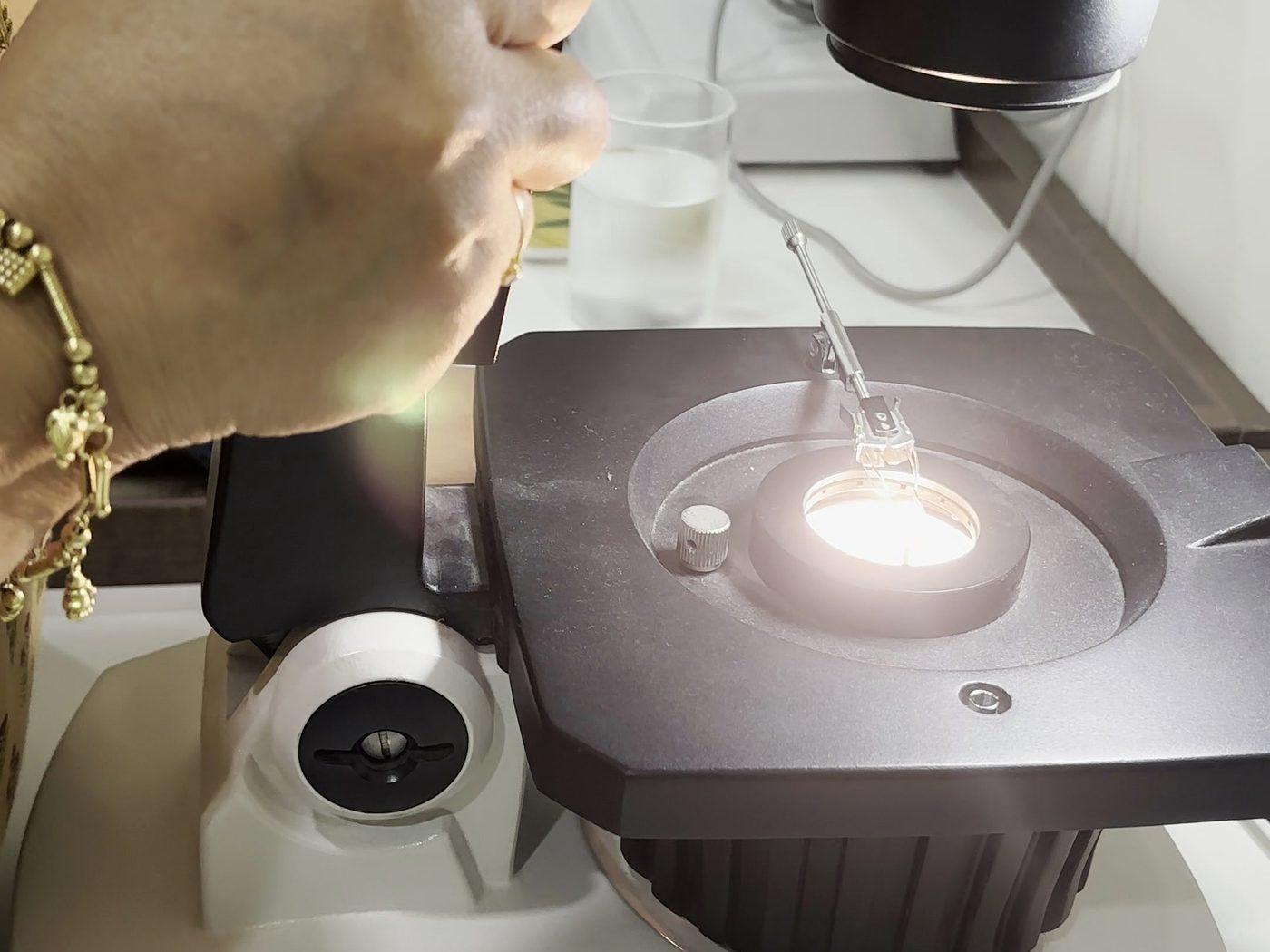
Your item is received at the lab on Tilak Road, Abids, and recorded with the report you need. Loose stones, mounted jewellery, gold and parcels of small diamonds each follow their own route from here.
02
Weighed and measured
Loose stones are weighed in carats on calibrated balances and measured in millimetres with gauges. Jewellery is weighed in grams. These figures go on the report exactly, so anyone can later compare them with the item.
Instruments
- Calibrated weighing balances
- Gauges
03
Under the microscope
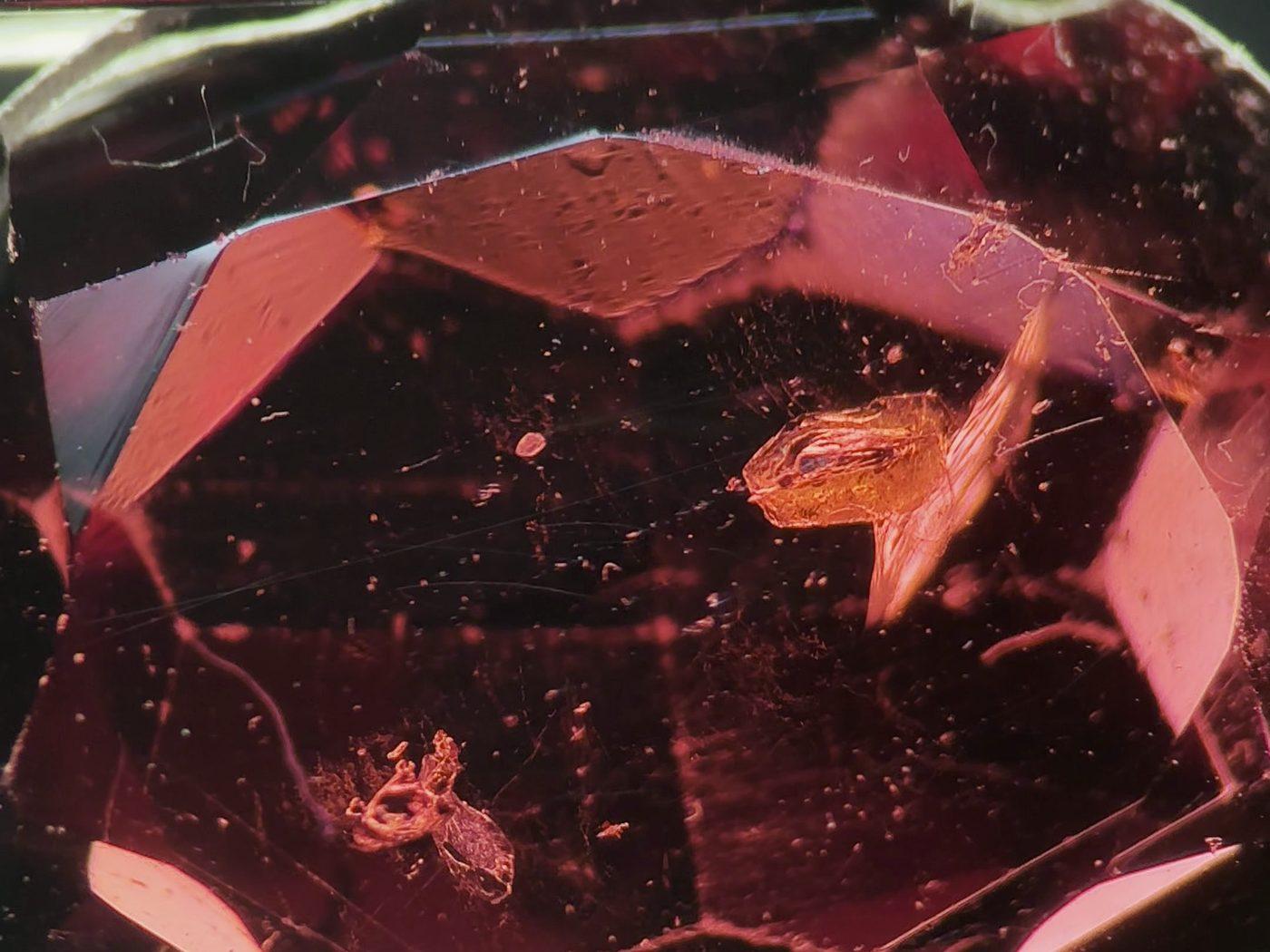
Magnified many times, a stone shows its history: natural inclusions, the curved growth lines of some synthetics, gas bubbles in glass, and signs of filling, dyeing or heating. Jewellery is examined with the stones still set.
Instruments
- Gem microscope
- Jewellery microscope
04
The gemstone is identified
Every gem species bends light, splits colour and weighs in water in its own way. Together these readings tell a ruby from a garnet, an emerald from green glass. Several of them are printed on the report.
Instruments
- Refractometer
- Polariscope
- Dichroscope
- Spectroscope
- Specific gravity apparatus
- Chelsea filter
- UV lamp
- Hardness tester
05
Diamonds are screened
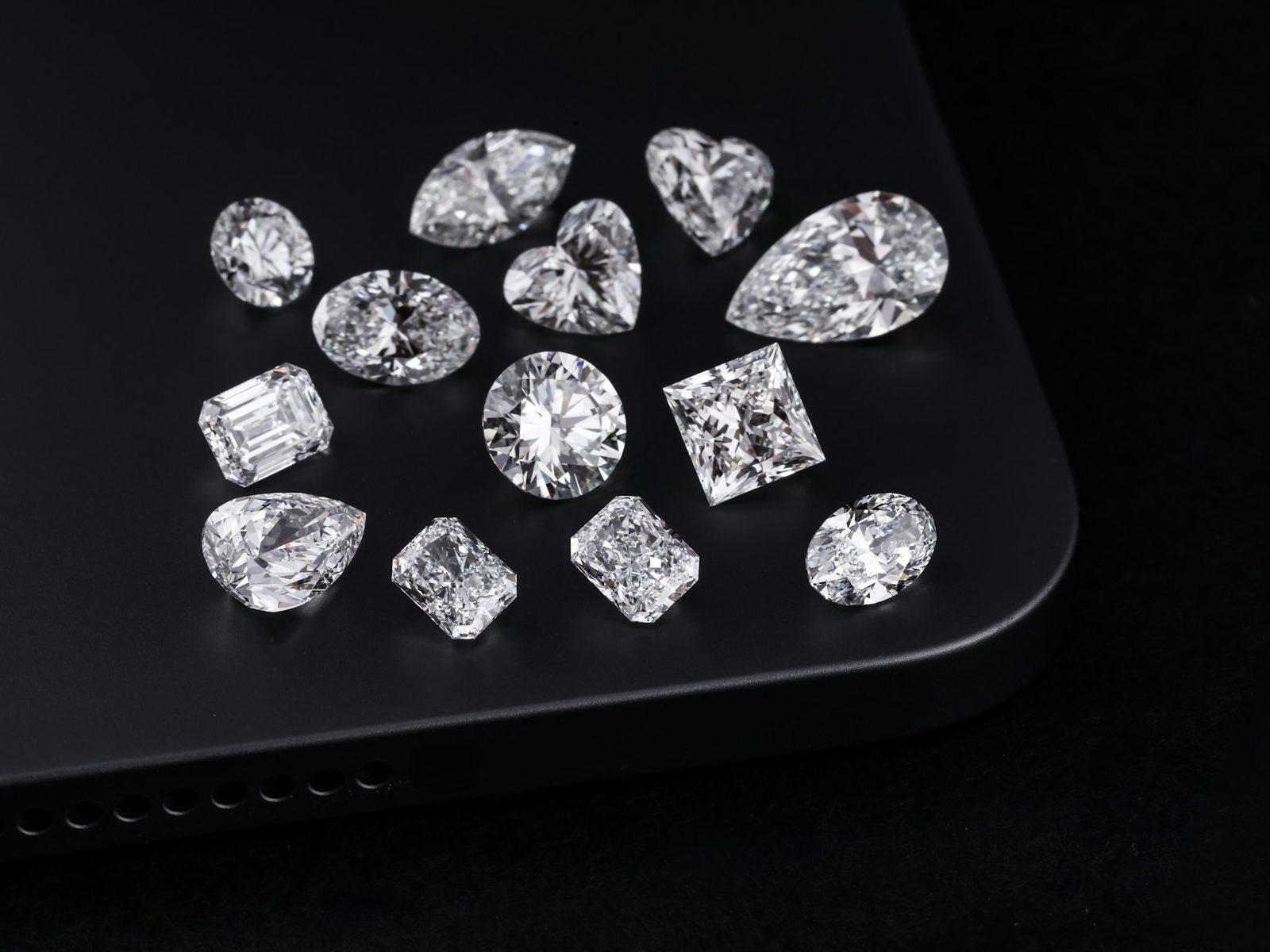
Every diamond, loose or set in jewellery, is screened to separate natural diamonds from lab-grown diamonds and from simulants such as cubic zirconia and moissanite. Parcels of small diamonds are screened stone by stone.
Instruments
- Simulant and synthetic diamond detector
06
Spectroscopy
When a stone needs a closer answer, it goes to the spectrometers. Infrared (FTIR) shows which impurities a diamond contains, and Raman identifies a material from the way it scatters laser light. The chart shows the clearest difference FTIR can reveal.
Instruments
- FTIR spectroscopy
- Raman spectroscopy
Simplified illustration, not a real measurement. About 1 to 2% of natural diamonds also contain almost no nitrogen (type IIa), so a flat nitrogen region does not settle it on its own: those stones go on to further tests. 07
The metal is tested
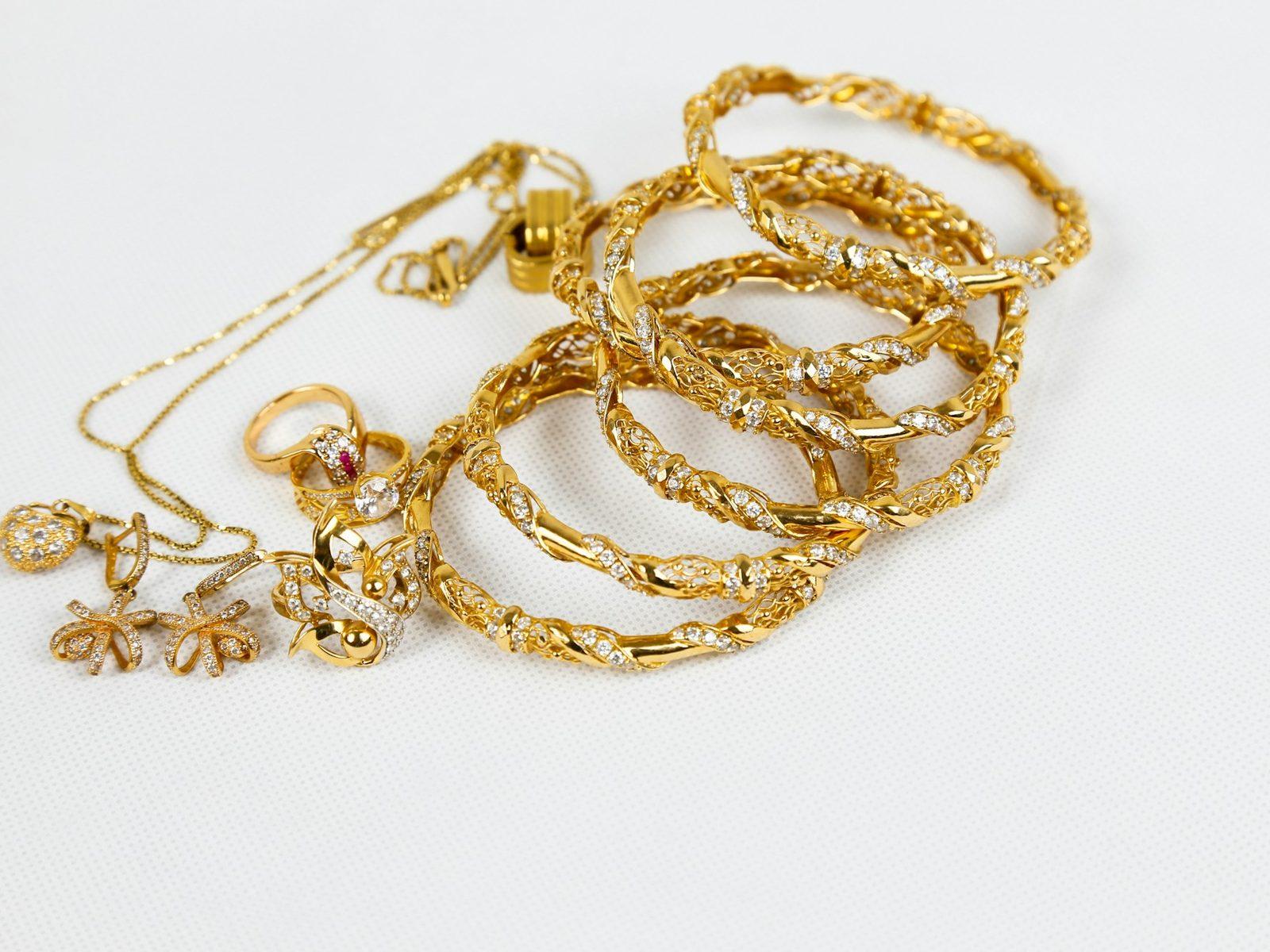
For gold and silver, an XRF machine reads the metal’s composition from the X-rays it gives back, without harming the piece. The report states the metal and its purity.
Instruments
- Gold & silver testing XRF machine
08
Graded, then reported
Diamonds are graded for colour, clarity and cut, with proportions and facet angles measured on a Sarine machine. The findings go on the report with a photograph of the item, a unique QR code and a 3D hologram, and the record goes online so anyone can verify it.
Instruments
- Sarine diamond machine
1Report number next to “Report No.” on the front. Type it in the box.
2QR code on the back. Scan it with your phone camera to open the report here.
33D hologram with the GJA logo, on every genuine printed report.
Shown: the PVC card. The 2-fold report has the same three on its inside pages.
Bring a stone in
Walk in Mon to Fri, 10 am to 6:30 pm; Sat, 10 am to 3:30 pm, or message the lab first to ask which report you need.